· Mike · Education · 6 min read
Top 10 Frequently Asked Questions in Photography Answered
Enhance your photography skills with answers to the most common questions. From the Rule of Thirds to editing tips, discover the fundamentals and techniques to improve your photos.
Top 10 Frequently Asked Questions in Photography Answered
Introduction
Photography is a captivating art form that allows us to capture and immortalize moments. Whether you’re a beginner or an enthusiast, understanding the basics is essential for improving your skills. In this blog post, we’ll answer the top 10 frequently asked questions in photography, providing you with the knowledge to enhance your photography journey.
1. What is the Rule of Thirds?
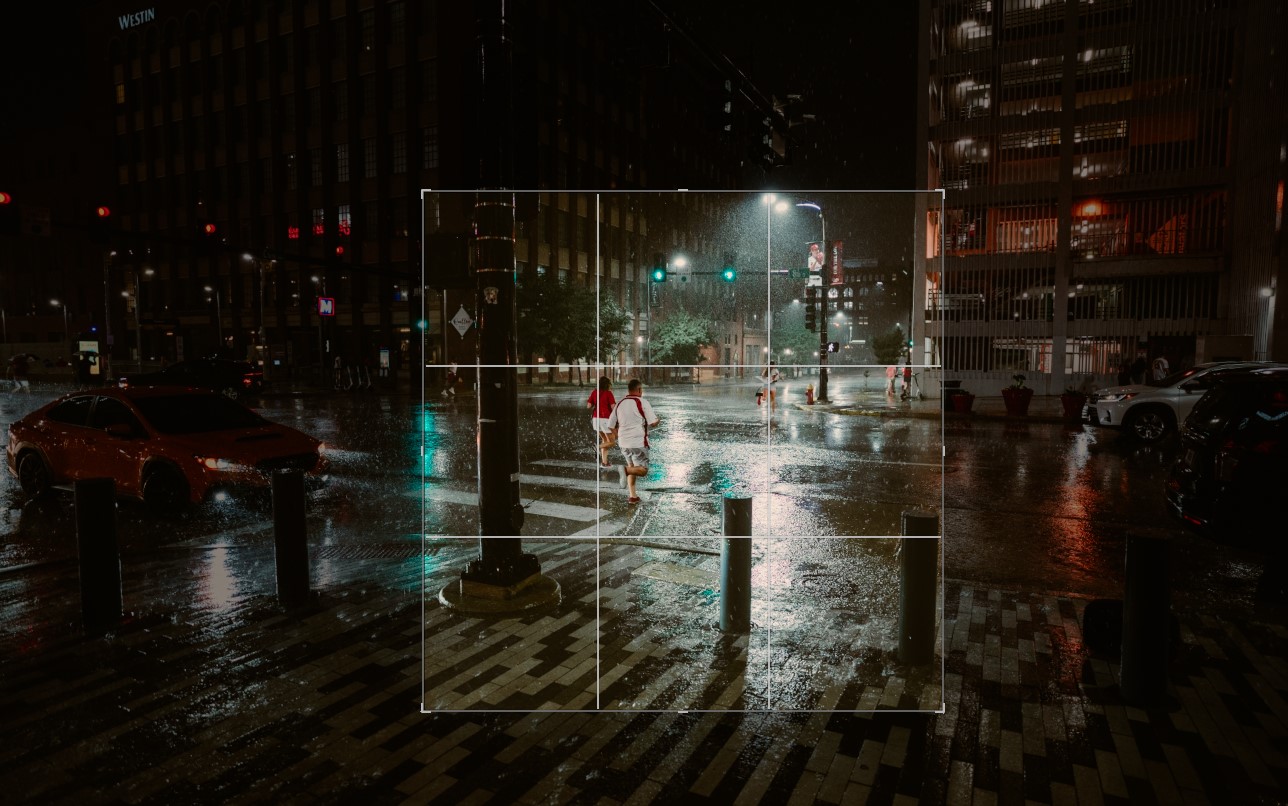
The Rule of Thirds is a fundamental composition technique used to create balanced and visually appealing photos. Imagine dividing your image into nine equal parts with two horizontal and two vertical lines. The key elements of your photo should be placed along these lines or at their intersections. This technique helps in creating more engaging and dynamic compositions, much like a well-composed painting that draws the viewer’s eye naturally.
2. How Do I Choose the Right Camera?
Choosing the right camera depends on your needs and preferences. Here are the main types:
- DSLR: Offers excellent image quality and versatility, suitable for both beginners and professionals.
- Mirrorless: Lightweight and compact with high-quality output, ideal for travel and everyday photography.
- Point-and-Shoot: Simple and easy to use, perfect for casual photographers.
Consider factors like budget, intended use, and brand preferences when making your decision. Think of your camera as an artist’s brush; choose one that feels comfortable and suits your style.
3. What is Aperture and How Does it Affect My Photos?
Aperture refers to the opening in a lens through which light passes to enter the camera. It’s measured in f-stop numbers (e.g., f/2.8, f/16). A larger aperture (smaller f-stop number) allows more light and creates a shallow depth of field, resulting in a blurred background. A smaller aperture (larger f-stop number) allows less light and increases depth of field, keeping more of the image in focus. Imagine aperture as the pupil of your eye; it widens in low light and narrows in bright light.
4. What is Shutter Speed and Why is it Important?
Shutter speed is the amount of time the camera’s sensor is exposed to light. It’s measured in seconds or fractions of a second (e.g., 1/1000s, 30s). Faster shutter speeds freeze motion, making them ideal for action shots, while slower speeds create motion blur, perfect for capturing movement like flowing water. Think of shutter speed as the blink of an eye; a quick blink freezes the scene, while a slow blink captures the blur of motion.
5. What is ISO and How Do I Use It?
ISO measures the sensitivity of your camera’s sensor to light. Lower ISO values (e.g., ISO 100) are used in bright conditions and produce less noise. Higher ISO values (e.g., ISO 3200) are used in low-light situations but can introduce more noise. Adjust ISO based on lighting conditions to achieve the desired exposure without compromising image quality. ISO is like a volume knob for light; turning it up amplifies the signal but can also introduce distortion.
6. How Do I Achieve the Perfect Exposure?
Perfect exposure is achieved by balancing the three elements of the exposure triangle: aperture, shutter speed, and ISO. Each element affects the exposure and quality of the image. Practice adjusting these settings to find the right balance for different lighting conditions and creative effects. Avoid common mistakes like overexposing or underexposing your photos by reviewing the histogram on your camera. Think of the exposure triangle as a three-legged stool; balance all three legs to keep your photo steady and well-exposed.
7. What are RAW and JPEG Files?
- RAW: Uncompressed files that retain all the data captured by the sensor. They offer greater flexibility for post-processing but require more storage space. If you going to be using your fancy camera anyways, you might as well take full advantage of the capabilities.
- JPEG: Compressed files that are ready to use but offer less flexibility for editing. They take up less storage space and are suitable for everyday use. I would only use this if you are shotting an event and you need to get the images out to publish right away.
Use RAW for professional work or when you need extensive editing, and JPEG for casual photography. RAW files are like the ingredients for a gourmet meal, while JPEGs are a ready-to-eat dish.
8. How Do I Take Sharp Photos?
To achieve sharp photos, focus and stability are key:
- Focus: Use the appropriate focus mode (single, continuous, manual) for your subject. Ensure your focus point is correctly placed.
- Stability: Use a tripod or stabilize your camera to avoid camera shake. Use a fast shutter speed to freeze motion and reduce blur.
Think of focus and stability as the foundation of a building; without them, your photos can crumble.
9. How Can I Improve My Composition?
Beyond the Rule of Thirds, here are other composition techniques:
- Leading Lines: Use natural lines to guide the viewer’s eye through the image.
- Symmetry: Create balance and harmony with symmetrical compositions.
- Framing: Use elements within the scene to frame your subject and draw attention to it.
Practice these techniques to develop a keen eye for compelling compositions. Imagine composition as the storyline of a book; it keeps the viewer engaged and interested.
10. How Do I Edit My Photos?
Editing enhances your photos by adjusting various elements:
- Software: Use photo editing software like Adobe Lightroom or Photoshop.
- Techniques: Start with basic adjustments like cropping, exposure, and color correction. Avoid over-editing to maintain natural-looking images.
Editing is a powerful tool, but moderation is key to preserving the authenticity of your photos. Think of editing as seasoning a dish; a little can enhance the flavor, but too much can overwhelm it.
Conclusion
We’ve covered the top 10 frequently asked questions in photography, providing you with essential knowledge to enhance your skills. Remember, practice and experimentation are crucial to mastering photography. Don’t hesitate to ask more questions or suggest topics for future posts. Happy shooting!
FAQs Section
Q: What is white balance? A: White balance adjusts the color temperature of your images to ensure accurate color representation. 5500K is the most used setting beacsue it is the say temputure as daylight outside. If you are shooting raw then I would set it to 5500k and worry about the temp later becasue you can change the color tempurture in post production to whatever. If shooting Jpeg then it is hihly recommeneded to get this right in camera becaseu you can not adjust it very far after teh photo has been taken.
Q: How do I take good portraits? A: Focus on the eyes, use a wide aperture for a blurred background, and ensure good lighting.
Feel free to leave your questions in the comments, and we’ll address them in future posts!
Psst! If you're reading invisible ink, you're probably in dark mode. Try flicking the light switch in the menu to reveal the comment box text—but brace yourself!